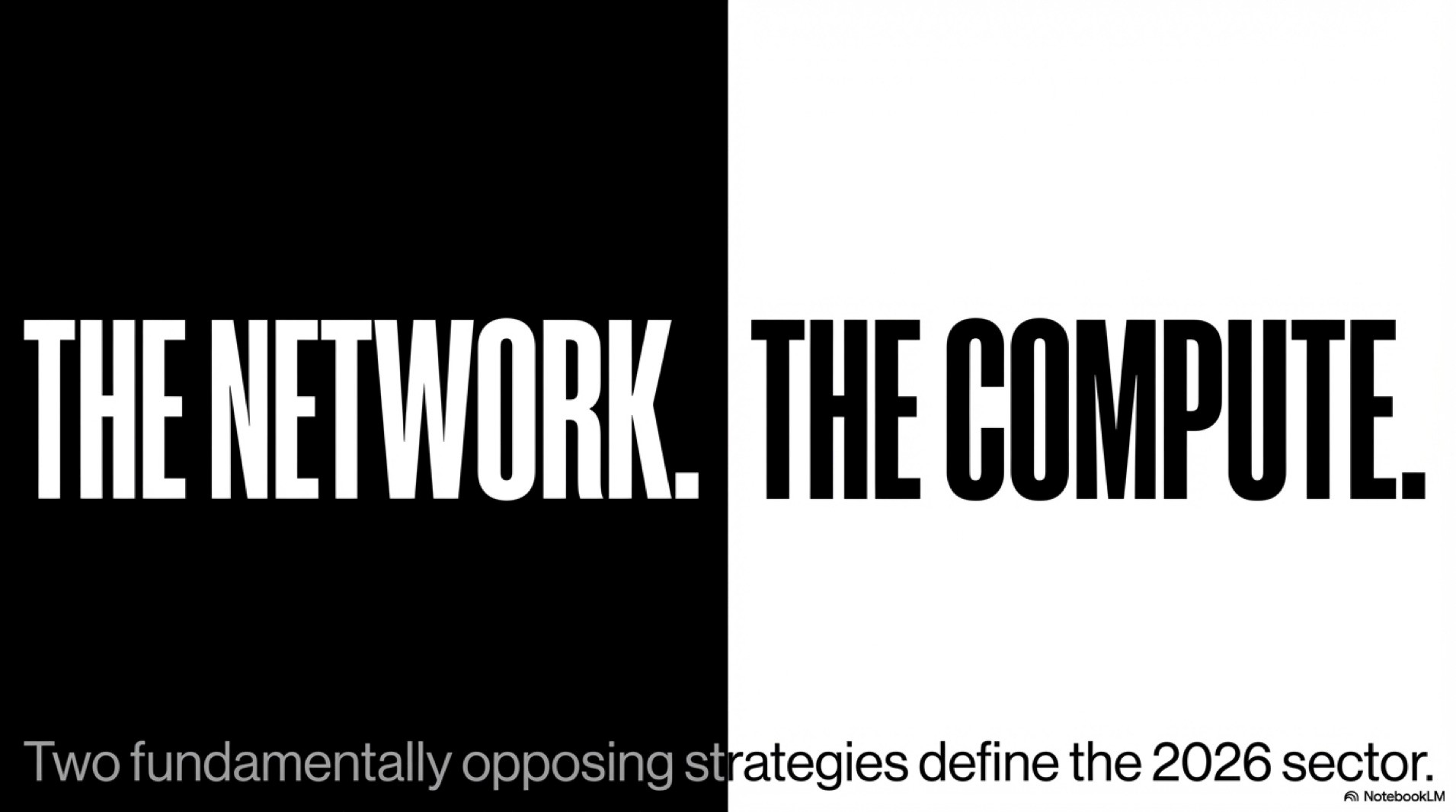
The evolution of artificial intelligence is moving rapidly from digital screens to the physical streets. As the technology behind self driving vehicles matures, the conversation has shifted from theoretical engineering to actual commercial deployment. This transition makes Mobility as a Service a focal point for both retail investors and institutional capital. When evaluating robotaxi stocks in 2026, the entire sector is currently defined by two fundamentally opposing strategies. The battle is between the unmatched network distribution of Uber and the vertically integrated AI compute of Tesla.
Baseline Metrics | Distribution vs. Vertical Integration
To understand how these companies plan to dominate the future of autonomous transit, we must first look at their current financial and operational footing. The data reveals two completely different approaches to cash flow generation.
Uber (UBER)
Core Business Model: Asset Light Network Platform
User Base / Adoption: Over 150 Million Monthly Active Consumers
Free Cash Flow Driver: High Margin Routing and Matchmaking
Autonomous Strategy: Partnering with third party AV fleets (e.g., Waymo, Cruise, BYD)
Tesla (TSLA)
Core Business Model: Vertically Integrated Manufacturing & AI
User Base / Adoption: Expanding FSD Subscription Base
Free Cash Flow Driver: Vehicle Sales plus Software Revenue
Autonomous Strategy: Building a proprietary robotaxi fleet (Cybercab)
The UBER vs TSLA Autonomous Strategy
The ride-hailing market share landscape is about to be completely disrupted, but the methods of disruption differ wildly between these two giants.
Uber and the Power of the Network Uber operates with a massive structural advantage because it does not manufacture cars. Their business is pure matchmaking. They have spent the last decade building a global network of over 150 million highly engaged consumers. Rather than competing to build the hardware, Uber has aggressively secured multi-year dispatch partnerships with the world's leading autonomous developers, including Google's Waymo, GM's Cruise, and BYD. As these third party vehicles become street legal, Uber seamlessly integrates them into its existing app. Uber effectively becomes the operating system for global transit. This asset light model means Uber avoids the massive capital expenditures of building factories. They just collect a high margin toll for connecting a rider with a robotaxi, securing highly predictable cash flows regardless of which company builds the best self driving car.
Tesla and the Full Stack Vision Tesla is taking the hardest, most lucrative path. They are attempting to control the entire mobility ecosystem. Tesla manufactures the physical vehicle, develops the custom silicon chips, and trains the Full Self-Driving neural networks. Their vision is to deploy millions of customer owned vehicles alongside a massive fleet of proprietary, steering-wheel-less "Cybercabs" into a dedicated robotaxi network. If Tesla achieves Level 5 autonomy and broad regulatory approval, their profit margins will be astronomical because they eliminate both the human driver and the third party booking platform. However, this vertical integration requires navigating severe regulatory hurdles and bearing the massive financial weight of hardware recalls and physical fleet maintenance.
Insights | Cash Flow in the Commercialization Phase
The ultimate question for investors is whether technical perfection or market distribution wins the early stages of the mobility revolution.
In the near term, Uber presents a much safer, faster route to reliable cash flow. Technology companies building autonomous vehicles are finding out that acquiring customers and managing dispatch logistics is incredibly difficult. They desperately need Uber's user base. Because Uber controls the demand side of the equation, they possess immense pricing power and can monetize the transition to autonomous driving immediately, without taking on the safety liability of coding the actual driving software.
Tesla offers the ultimate asymmetric upside. If their pure vision based AI solves generalized autonomy and the Cybercab reaches mass production, they will fundamentally rewrite the global economy. However, predicting the exact timeline for nationwide regulatory approval remains nearly impossible. For investors seeking stable, immediate exposure to the autonomous trend, Uber leverages its existing monopoly on distribution. For those willing to accept high volatility for a chance at generational tech dominance, Tesla remains the definitive bet on physical AI.
Disclaimer: Market data and operational metrics are based on industry consensus estimates for educational purposes. Investing in mobility and technology equities carries significant regulatory and macroeconomic risks. Always consult a certified financial planner before making investment decisions.