Navigating the 2026 macroeconomic landscape requires a strategic approach to portfolio defense. Geopolitical tensions and shifting global alliances have cemented the aerospace and defense sector as a mandatory inclusion for wealth preservation. Investors seeking downside protection combined with reliable dividend safety inevitably face a choice between two industry titans: Lockheed Martin (LMT) and RTX Corporation.
Evaluating these defense stocks requires looking beyond daily price fluctuations and focusing on the underlying metrics that guarantee long-term payout stability.
The Objective Baseline: Yields and Order Backlogs
To accurately assess the dividend safety of these corporations, we must examine their forward yields, their payout ratios, and the total order backlog. The backlog is the most critical metric in the defense industry, as it represents legally binding future revenue that shields the company from short-term economic recessions.
Lockheed Martin (LMT)
Forward Dividend Yield: Approximately 2.8 percent.
Dividend Payout Ratio: Hovering near 55 percent.
Total Order Backlog: Exceeding $160 billion.
RTX Corporation (RTX)
Forward Dividend Yield: Approximately 2.5 percent.
Dividend Payout Ratio: Roughly 60 percent.
Total Order Backlog: Exceeding $200 billion.
Both companies maintain highly sustainable payout ratios. A ratio near 60 percent ensures that management is returning substantial capital to shareholders while retaining enough free cash flow to reinvest in research and development.
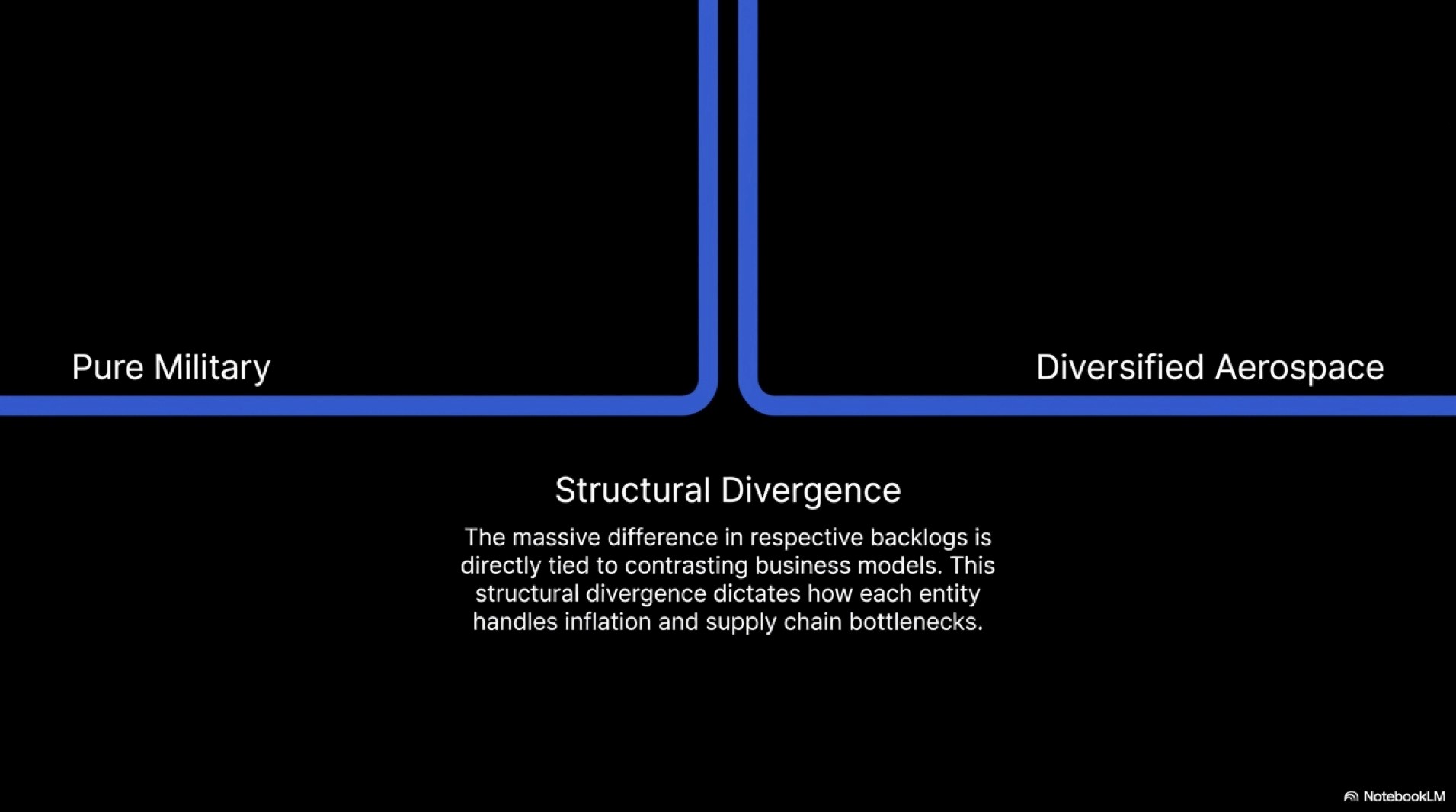
Pure Military Exposure versus Diversified Aerospace
The massive difference in their respective backlogs is directly tied to their contrasting business models. This structural divergence dictates how each company handles inflation and supply chain bottlenecks.
Lockheed Martin operates as a pure military contractor. Their revenue is heavily anchored to massive Department of Defense platforms, most notably the F-35 fighter jet program. This singular focus provides unparalleled revenue visibility. When the global economy contracts, government defense budgets typically remain intact or even expand. However, long-term fixed-price government contracts can sometimes create margin pressure when raw material inflation spikes unexpectedly. Furthermore, while the F-35 provides a massive revenue floor, software and hardware upgrade delays—such as the recent TR-3 (Technology Refresh 3) rollout—can temporarily bottleneck aircraft deliveries and defer crucial cash flows.
RTX operates a hybrid model. Through its Pratt & Whitney and Collins Aerospace divisions, the company commands a massive share of the commercial aviation market, while its Raytheon division handles defense and missile systems. This diversification acts as an internal hedge. During times of peace, the booming commercial airline industry drives revenue through engine sales and aftermarket servicing. During geopolitical conflicts, the defense segment accelerates. The primary challenge for RTX is managing the highly complex commercial supply chain. Beyond standard shipping disruptions, this commercial exposure introduces severe manufacturing risks, most notably the recent Pratt & Whitney GTF engine powder metal defects, which resulted in costly fleet groundings and multi-billion-dollar recall expenses.
Capital Allocation Insights and Downside Protection
Choosing between LMT and RTX depends heavily on your specific macroeconomic outlook and your need for absolute downside protection.
If you anticipate sustained high interest rates and broader economic instability, Lockheed Martin is the superior defensive asset. Because its primary client is the United States government, its cash flow is virtually immune to consumer recessions. The slightly higher dividend yield and lower payout ratio offer a remarkably safe harbor for high-net-worth investors prioritizing capital preservation over aggressive growth.
Conversely, if you believe inflation will stabilize and global commercial travel will continue to expand, RTX presents a more dynamic growth opportunity. The commercial aerospace sector backlog provides a growth engine that pure defense companies lack. While RTX carries slightly more cyclical risk tied to the health of commercial airlines and engine manufacturing quality, its diversified structure makes it an excellent choice for a balanced portfolio seeking both geopolitical macro-hedge capabilities and exposure to global travel infrastructure.
Disclaimer: The financial metrics provided are based on industry consensus estimates for educational purposes. Investing in equities involves risk, including the potential loss of principal. Please consult with a licensed financial advisor before making wealth management decisions.