The narrative surrounding digital finance has permanently shifted. While retail speculation dominated previous cycles, 2026 is defined by the massive, systematic integration of blockchain technology into traditional wealth management. The tokenization of tangible assets, specifically government debt and institutional funds, has moved from an experimental concept to the absolute core of the modern financial ecosystem. For investors evaluating digital finance infrastructure, understanding how traditional giants and native crypto companies are merging is essential.
The Objective Data on Institutional Crypto Adoption
To comprehend the sheer scale of Real World Asset (RWA) tokenization in 2026, we must look at the hard numbers. The capital flows demonstrate a clear regulatory and institutional acceptance of blockchain rails.
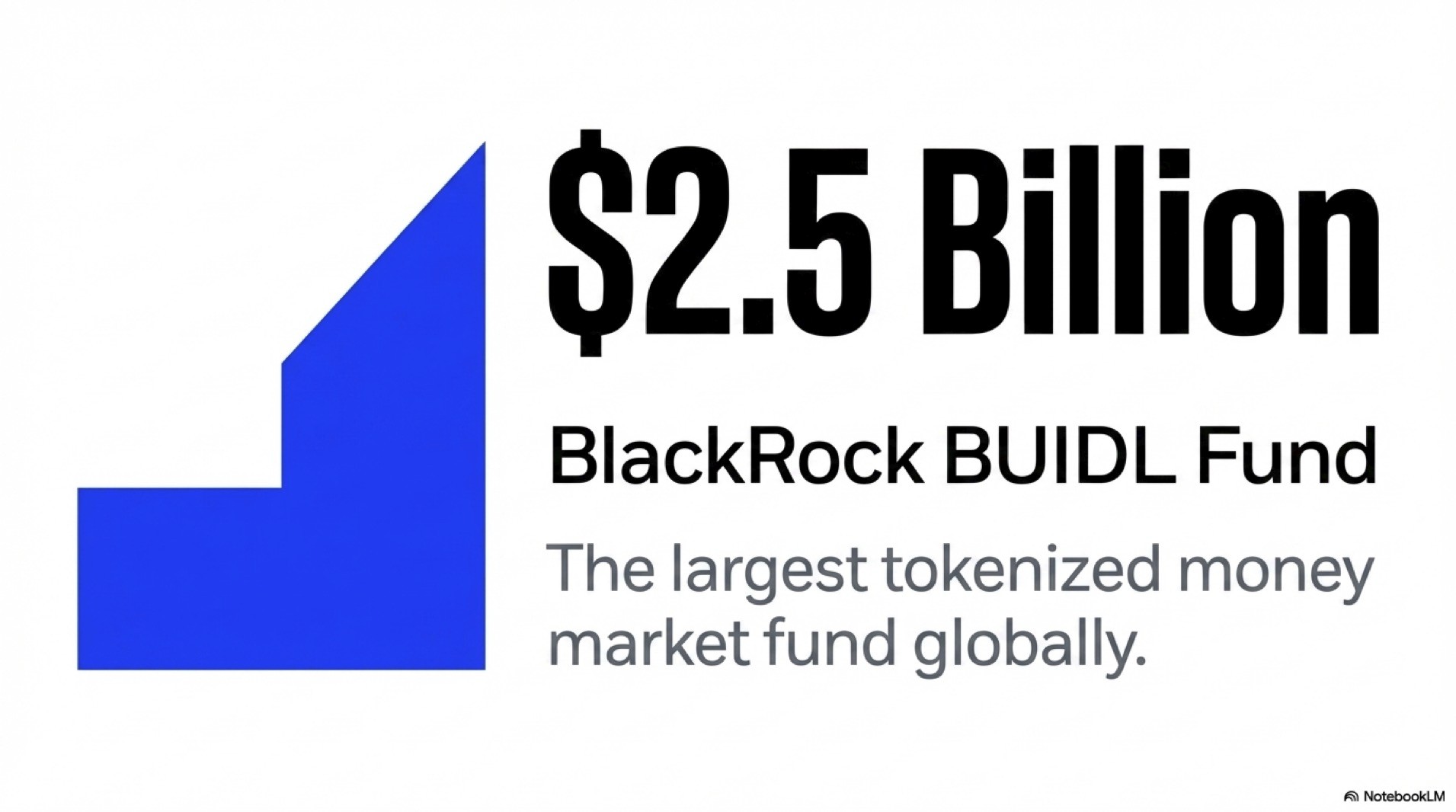
BlackRock BUIDL Fund Volume: The BlackRock USD Institutional Digital Liquidity Fund has surpassed 2.5 billion dollars in Assets Under Management. This positions it as the largest tokenized money market fund globally, proving that institutions are eager to hold tokenized yields directly on public blockchains.
Stablecoin Treasury Holdings: Following the establishment of clear stablecoin regulations in recent years, issuers have transformed into macroeconomic whales. Tether and Circle now hold a combined total exceeding 160 billion dollars in United States Treasury securities. This figure places these digital currency providers ahead of several sovereign nations in terms of total government debt ownership.
On-Chain Settlement Velocity: Public blockchain networks are now processing hundreds of billions of dollars in stablecoin and tokenized asset transactions monthly, successfully handling institutional scale transfers with zero downtime.
Traditional Management versus Digital Finance Infrastructure
The reason massive pools of institutional capital are migrating toward blockchain networks comes down to fundamental financial mechanics. Comparing the legacy asset management model to the new tokenized ecosystem reveals massive disparities in cost efficiency and liquidity speed.
In the traditional fee-based asset management model, buying, selling, and settling securities involves a complex web of brokers, clearinghouses, and custodian banks. Every single intermediary extracts an administrative fee. Furthermore, despite traditional markets adopting a T+1 (one business day) settlement cycle, the infrastructure still operates on a standard five-day workweek. Your capital is effectively locked and unproductive during weekends and banking holidays.
Conversely, the blockchain-based model operates 24 hours a day, 7 days a week, 365 days a year. When a tokenized asset like BUIDL is transacted, the settlement is instantaneous (T+0) and cryptographic. Smart contracts automatically handle strict compliance checks and distribute dividend yields directly to the wallet of the asset holder. This automation eliminates the need for expensive middle-office administrative teams, drastically improving overall cost efficiency.
More importantly, the liquidity speed is unmatched. An institution can instantly liquidate a tokenized treasury asset into stablecoins at two in the morning on a Sunday, securing immediate capital for global operations without waiting for banks to open.
Insights | The Backend of the New Financial Order
The defining insight of 2026 is that digital assets are no longer just alternative investment vehicles. They are actively becoming the backend plumbing of the entire global financial system.
As tokenization becomes the standard, the balance of power in the financial sector is shifting. The gatekeepers of this new financial order will not necessarily be traditional retail banks. Instead, the ultimate gatekeepers will be the entities that successfully bridge strict regulatory compliance with decentralized technology. BlackRock is clearly positioning itself to be the premier provider of tokenized investment products, while stablecoin issuers are becoming the foundational payment rails that connect these assets to the broader internet.
For investors tracking institutional crypto adoption, the conclusion is clear. The companies that facilitate the secure and instant transfer of tokenized assets will capture the vast majority of the wealth generated in this new era. Traditional brokerages that fail to adopt this continuous settlement architecture risk being permanently left behind in an increasingly tokenized world.
Disclaimer: All financial data and tokenization metrics are based on public industry consensus as of early 2026. This article is for educational purposes only and does not constitute personalized financial advice. Investing in digital assets and tokenized securities involves significant market and regulatory risks. Always consult a certified financial professional before making investment decisions.