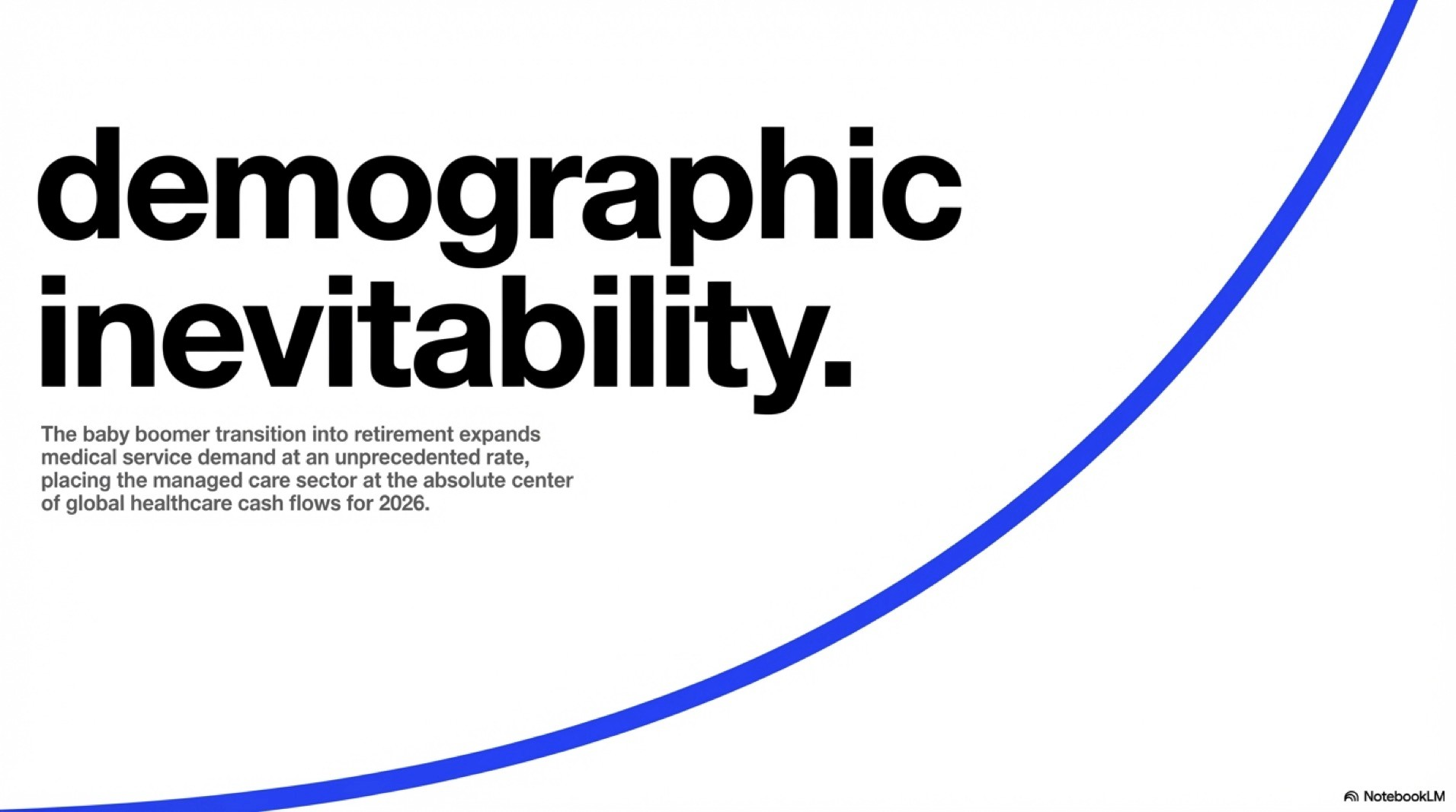
The aging population represents one of the most predictable macroeconomic shifts of our generation. As the baby boomer demographic fully transitions into retirement, the demand for medical services is expanding at an unprecedented rate. This demographic reality places the managed care sector at the very center of global cash flows. For investors tracking healthcare sector demographics in 2026, the performance of managed care organizations provides crucial insights. Comparing UnitedHealth Group and Elevance Health reveals how different corporate strategies are adapting to capture this expanding market.
Baseline Financials and Medical Loss Ratios
To evaluate managed care stocks in 2026, the most critical metric is the Medical Loss Ratio (MLR). This figure represents the percentage of premium revenues an insurance company spends on actual clinical services and quality improvement. A lower number indicates higher profitability.
Reviewing the current financial landscape reveals distinct profiles for both industry leaders. UnitedHealth Group (UNH) typically maintains a Medical Loss Ratio hovering around 83 to 84 percent. Their net profit margins sit comfortably in the 5 to 6 percent range. Crucially, their Medicare Advantage enrollment growth continues to compound, securing massive, recurring government funded premiums.
Elevance Health (ELV), operating the massive Blue Cross Blue Shield network across numerous states, runs a slightly different baseline. Their Medical Loss Ratio often tracks closely to their peers, reflecting their historical reliance on traditional insurance models. However, their focused strategy allows them to maintain highly competitive net margins, driven by strict cost controls and efficient local network management.
Vertical Integration versus Network Efficiency
The true UNH vs ELV financial comparison extends far beyond basic insurance premiums.
UnitedHealth Group operates as a fully vertically integrated healthcare behemoth. They do not just sell insurance policies. Through their Optum division, they own the clinics, employ the physicians, and manage the pharmacy benefit networks. When a patient uses a UnitedHealth insurance plan to visit an Optum doctor and fill a prescription at an Optum managed pharmacy, the company retains the profit margin at every single step of the healthcare journey. This vertical integration provides an almost impenetrable defensive moat against external market shocks.
Elevance Health relies on a leaner, highly optimized model, though it is rapidly evolving. While their primary strength remains their entrenched Blue Cross Blue Shield identity, which grants them immense pricing power when negotiating with independent hospital systems, they are aggressively building out their own vertical integration through the Carelon health services brand. Rather than trying to own the entire medical infrastructure from day one, Elevance focuses on maximizing the profitability of its core insurance products while using Carelon to progressively capture more of the pharmacy and care delivery margins.
Policy Changes and Cash Flow Resilience
The primary risk factors for these companies are government policy adjustments and medical inflation. When the government adjusts Medicare Advantage reimbursement rates, it directly impacts free cash flow. Furthermore, as hospital labor costs and pharmaceutical prices rise, insurers face immense pressure to absorb the inflation.
In a scenario where government reimbursement rates are squeezed, UnitedHealth Group holds a structural advantage. If their insurance division suffers a margin compression due to higher medical loss ratios, their Optum healthcare delivery division can offset those losses by capturing that exact patient volume and optimizing clinical efficiency.
Elevance Health is historically slightly more sensitive to strict Medicare Advantage trends because their internal care delivery footprint is still scaling. However, their aggressive focus on administrative efficiency and the rapid expansion of Carelon ensures they can weather inflationary cycles while still generating the robust cash flows required to support their dividend programs. Ultimately, both entities serve as foundational defensive assets in any portfolio, effectively transforming the inevitable costs of an aging society into reliable corporate cash flows.
Disclaimer: Financial and healthcare policy data are based on industry consensus for educational purposes. This analysis is not personalized financial advice. Please consult a registered investment advisor before allocating capital.