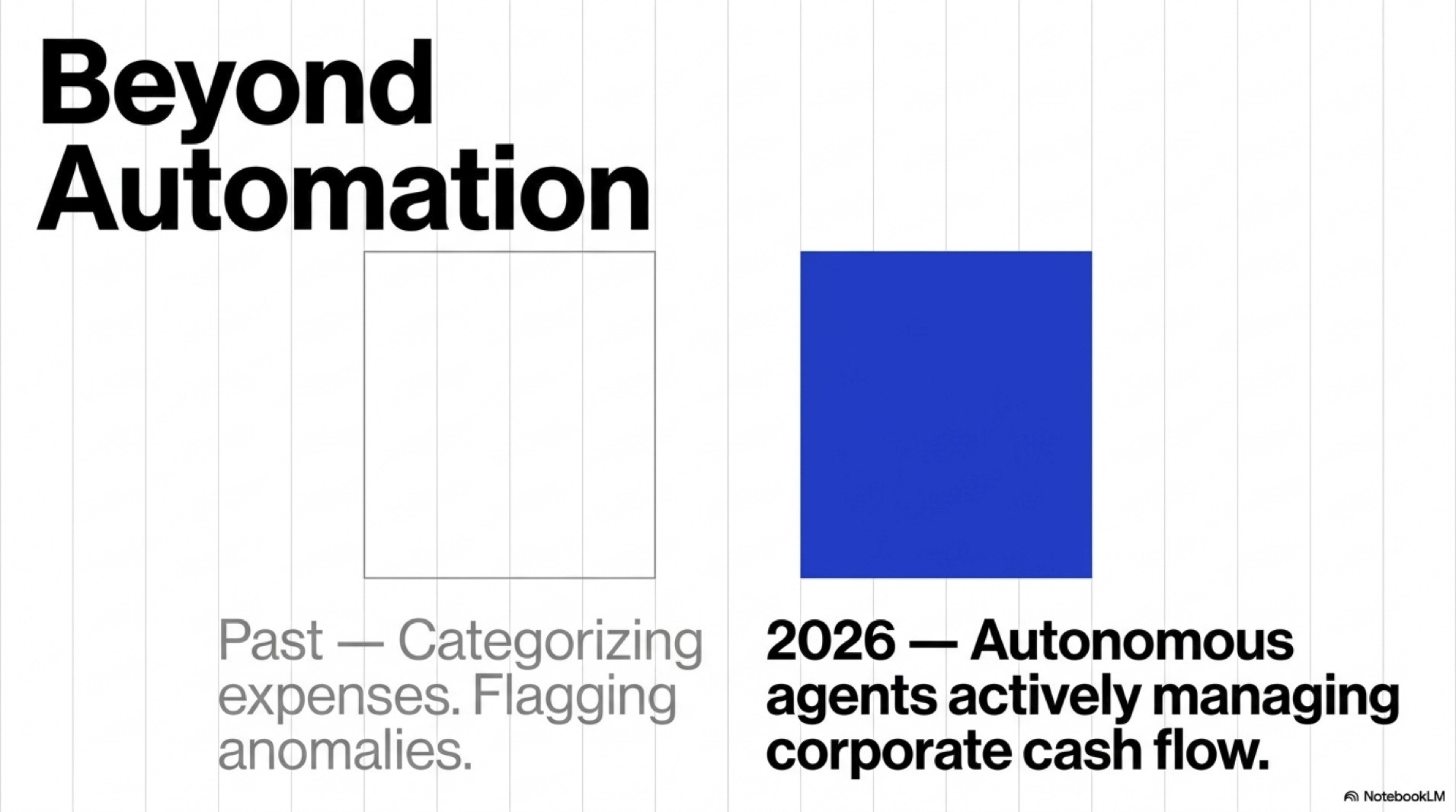
The integration of Agentic AI into the daily operations of the Chief Financial Officer has moved past simple automation. Financial planning and analysis teams are deploying autonomous agents to actively manage corporate cash flow. In the B2B fintech sector, this technological leap is driving massive profitability in specific high value services, most notably the business credit line and invoice factoring companies 2026. Evaluating the competitive landscape requires a deep look into the battle for financial data. A comparison of BILL vs INTU stock reveals how controlling the financial backend translates directly into lending profitability.
Hard Data on Payment Volumes and Credit Health
To understand the scale of these operations, examining the transaction volumes and the health of their lending portfolios is essential. Invoice factoring requires significant capital, making default rates a critical metric for long term survival.
Total Payment Volume Bill Holdings processes an estimated 350 billion dollars annually. Intuit processes massive volumes directly embedded within its ubiquitous QuickBooks network.
SMB Credit Delinquency Rate Bill Holdings maintains an exceptionally low rate, typically hovering around 1.5 to 2.5 percent. Intuit stabilizes its risk via deep accounting data, keeping delinquencies firmly between 2.0 and 3.0 percent.
Factoring and Lending Margins Both entities secure highly lucrative margins by capturing the spread on short term capital and cross selling within their established ecosystems. Both platforms maintain impressively low delinquency rates compared to traditional banks. Traditional lenders rely on outdated credit scores. Fintech platforms underwrite risk using real time access to actual bank account and daily cash flow data.
Ecosystem Lock In versus Transaction Dominance
The core strategic difference between these two financial technology giants lies in how they integrate themselves into the daily routine of a small or medium enterprise.
Intuit and the Accounting Moat Intuit possesses the ultimate structural advantage through QuickBooks. It serves as the default accounting software for millions of businesses globally. Intuit does not just see the payment; it sees the entire financial history of the company. By embedding a business credit line directly into the QuickBooks dashboard through services like QuickBooks Capital, Intuit removes all friction. When a business owner issues an invoice, QuickBooks instantly offers to advance the cash for a small fee. This seamless cross selling turns a software subscriber into a highly profitable lending client without incurring massive customer acquisition costs.
Bill Holdings and the Accounts Payable Mastery Bill Holdings approaches the market by solving the highly specific and painful process of accounts payable and accounts receivable. While Intuit holds the general ledger, Bill controls the actual movement of the money. By automating approval workflows and vendor payments, Bill captures the critical transactional layer. When a company uses Bill to manage its receivables, the platform can perfectly predict when cash will arrive. This visibility allows Bill to offer highly competitive and low risk invoice factoring. The moat is built on transactional indispensability. Once an entire vendor network of over 5.8 million members is onboarded onto the Bill platform, migrating away becomes a logistical nightmare for the finance department.
The Value of Agentic AI in FP&A
The most significant trend impacting these valuations is the deployment of Agentic AI in FP&A. Previously, artificial intelligence simply categorized expenses or flagged anomalies. Today, Agentic AI acts autonomously. In the context of B2B lending, this technology is revolutionizing credit underwriting. When a small business applies for a credit line, an AI agent instantly analyzes thousands of data points, including seasonal cash flow dips, vendor payment histories, and macroeconomic indicators.
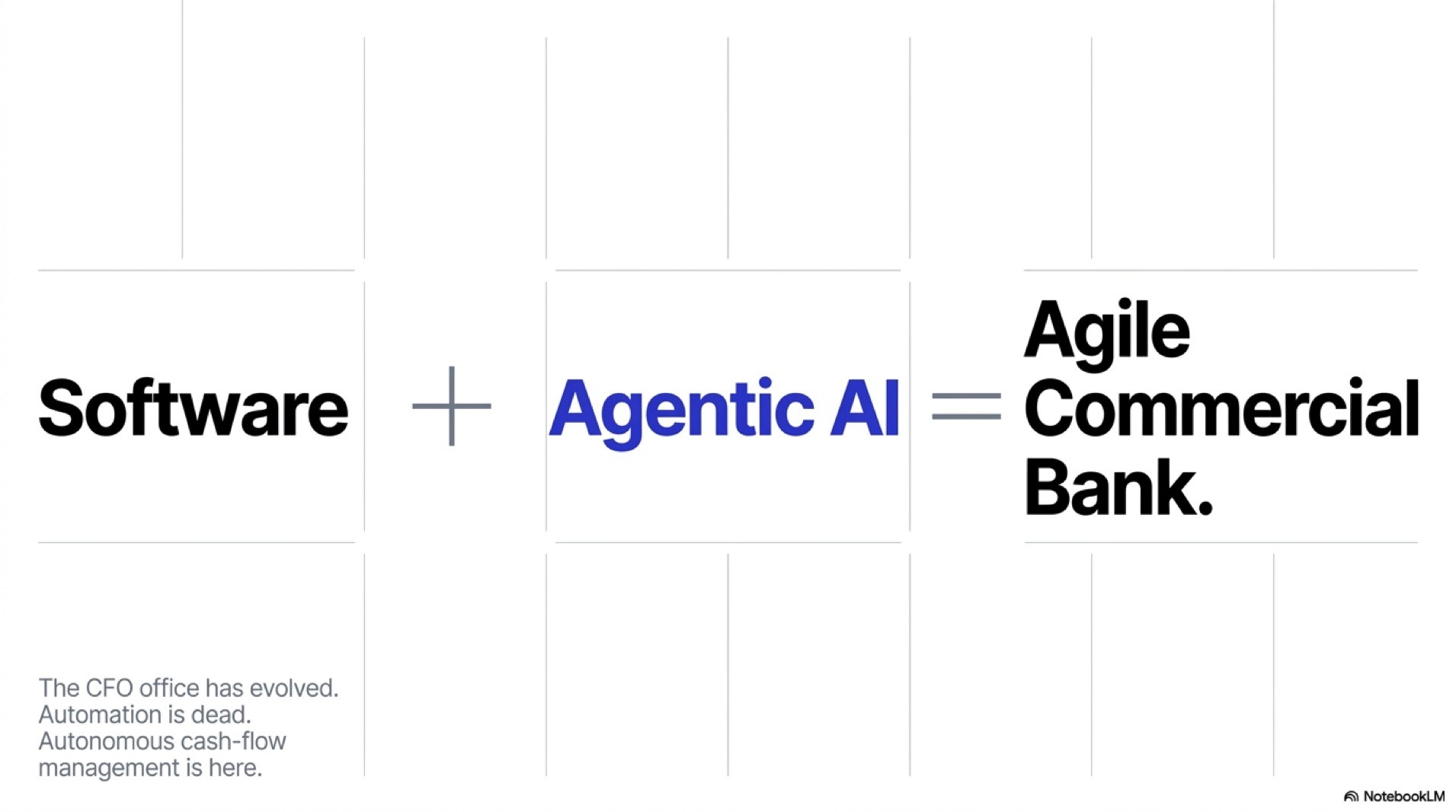
This speed is the ultimate competitive advantage. A traditional bank might take weeks to approve a commercial loan. Intuit and Bill can approve and fund a factoring request in seconds. For a small business facing a sudden cash crunch, speed is far more important than securing the absolute lowest interest rate. By utilizing AI to drastically reduce the time and labor cost of underwriting, these platforms command premium factoring fees while simultaneously lowering their default risks. Platforms successfully deploying these autonomous agents are effectively becoming the highly agile commercial banks of the digital economy.
Disclaimer: This content is for informational and reference purposes only. Always conduct independent research before making financial decisions.