The Edge AI Paradigm Shift | NPU Architecture and the $74B On-Device AI Market in 2026
The global on-device intelligence market is projected to reach approximately $74 billion in 2026, catalyzing a massive capital expenditure shift from cloud-centric server GPUs toward low-power Neural Processing Unit architectures and advanced LPDDR6 memory systems across consumer endpoints.
7
min read
7
min read
The computing paradigm has officially decentralized. The AI PC penetration rate is projected to reach approximately 55% of the total worldwide PC market by the end of 2026, fundamentally shifting processing power away from centralized cloud servers directly into endpoint hardware. Industry intelligence confirms that shipments of PCs and smartphones equipped with dedicated AI processors capable of 40 TOPS or more are reshaping global upgrade cycles. This structural transformation has catalyzed an estimated $73.8 billion on-device intelligence ecosystem, redirecting massive capital expenditures toward fabless companies designing Neural Processing Units (NPUs) and vendors within the high-speed mobile memory supply chain.
Cloud Offloading and the Hybrid AI Strategy
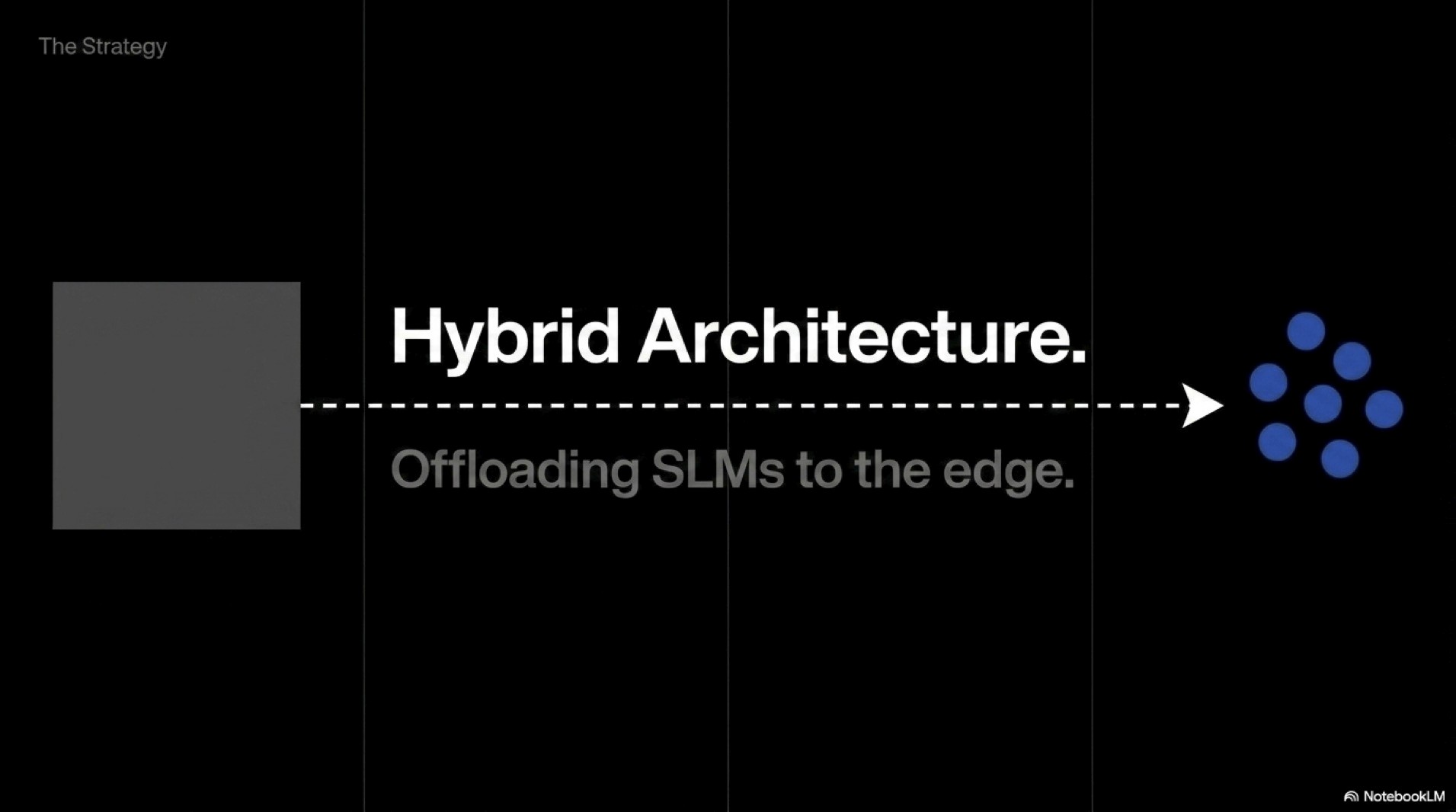
Big Tech corporations have reached the financial limits of pure cloud-based inference. Operating massive neural networks exclusively on server hardware incurs staggering electricity costs and data transmission fees. To mitigate these structural expenses, major technology firms are actively deploying a Hybrid AI architecture, offloading the processing requirements of Small Language Models (SLMs) directly onto consumer endpoints.
Comparative Analysis: Data Center GPU vs. Edge NPU
The architectural divergence between centralized training and decentralized inference highlights why the Edge AI semiconductor market is capturing the current investment cycle.
Metric
Data Center GPU (Cloud)
Edge NPU (On-Device)
Primary Function
Heavy model training, massive parallel processing
Real-time inference, SLM execution
Power Consumption
Extremely high (thousands of watts per node)
Ultra-low (optimized for battery life)
Network Dependency
Requires constant, high-bandwidth connection
Zero network required (offline capabilities)
Data Privacy
Data leaves the device, creating security risks
Processing occurs locally, ensuring 100% privacy
Operational Cost
High recurring cloud and latency expenses
Zero recurring server costs post-purchase
The NPU Architectural Overhaul
Modern system-on-chip (SoC) designs have abandoned traditional CPU-centric layouts. In the current generation of edge processors, the NPU die area has expanded significantly to accommodate intense local computational workloads. This hardware evolution has triggered a substantial revenue surge for fabless design IP holders such as Arm and SiFive. Licensing fees and royalty revenues tied to advanced NPU architectures scale linearly with the explosion of AI-enabled endpoint shipments.
Memory Bottlenecks and the LPDDR6 Supercycle
Executing complex generative AI models locally requires moving vast amounts of data instantaneously without compromising battery efficiency. This strict technical constraint mandates the integration of advanced LPDDR6 memory, capable of data rates up to 14.4 Gbps, combined with high-performance packaging techniques. The necessity of high-bandwidth, low-power memory to prevent processing bottlenecks structurally increases the Bill of Materials (BOM) for premium consumer hardware. Consequently, the mobile memory supply chain has entered a powerful pricing cycle, generating significant excess profits for primary global DRAM manufacturers like SK hynix and Samsung Electronics.
Macro Insights: The Edge Infrastructure Boom
While the initial generative AI boom relied entirely on centralized data center training networks dominated by large-scale GPUs, the 2026 macroeconomic cycle is dictated by a low-power NPU ecosystem embedded directly into billions of consumer devices. This dynamic is triggering a massive hardware replacement supercycle. Fabless IP firms and high-capacity mobile DRAM vendors supplying this edge computing revolution now serve as highly effective inflation-hedging assets within the broader technology sector.
Disclaimer: This content is for informational and reference purposes only. Always conduct independent research before making financial decisions.