
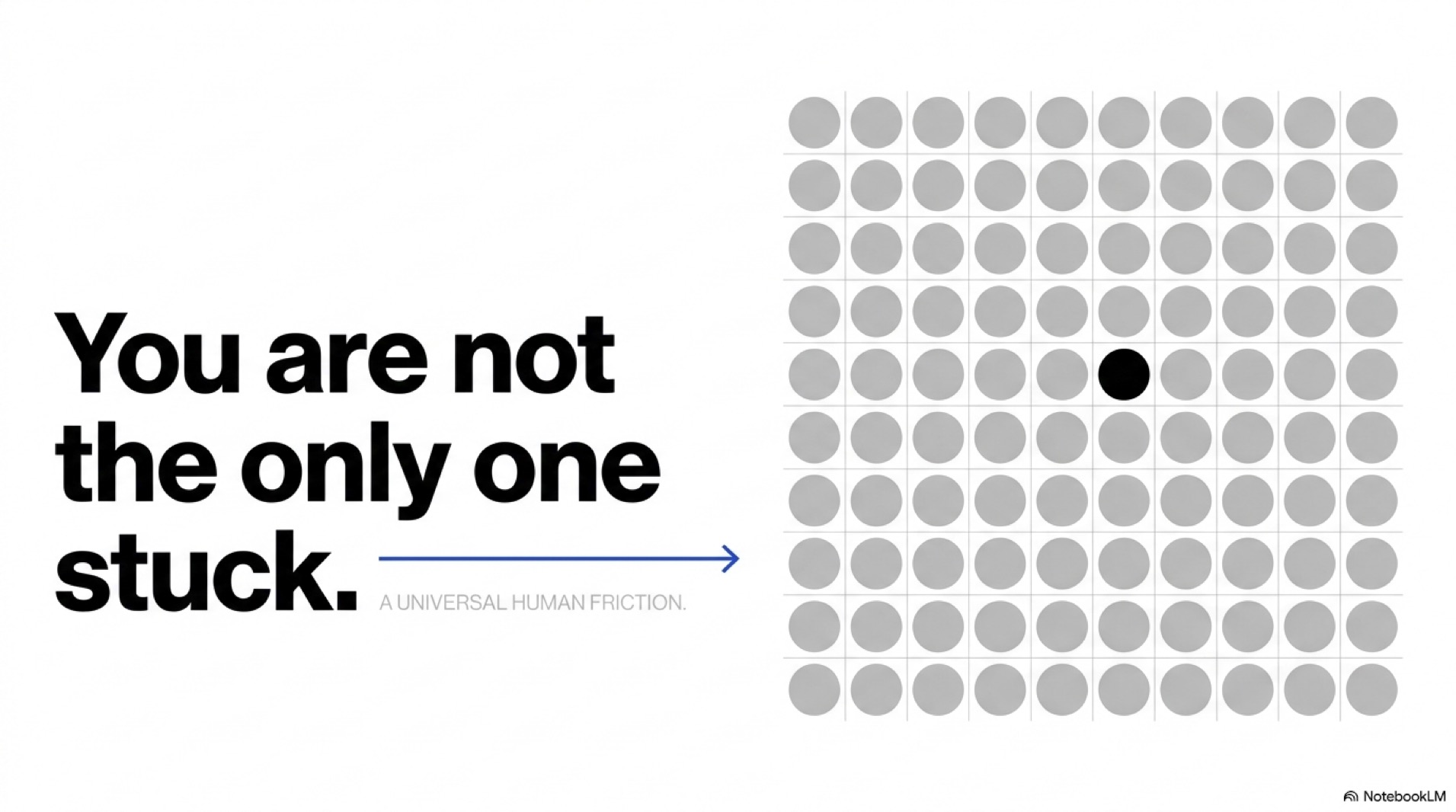
Feeling unmotivated can be frustrating and hard to sort out. If you keep asking why am i so unmotivated or why do i feel so unmotivated, you are not alone. This feeling can touch every part of life.
It is common to feel stuck or unable to start tasks. Many people feel this way at some point.
Knowing the causes of your lack of motivation matters. It can help you find fixes that work.
Many things can make you feel unmotivated. Mental health, physical health, and your environment all play a role. Sleep loss, stress, and mood changes are common lack of motivation causes.
Seeing these triggers is the first step toward change. With the right steps, you can get your drive back.
This article looks at the hidden causes behind feeling unmotivated and shares practical tips to help you move forward.
What Motivation Is
Motivation is the inner push that helps us finish tasks. It guides our actions and choices. Knowing what drives you matters for growth and success.
Motivation has two main types:
- Intrinsic motivation: This comes from within. It is tied to personal joy or interest.
- Extrinsic motivation: This comes from outside, like rewards or praise.
Knowing which type affects you can help shape your plan. It helps you set good goals and stay focused.
A deeper grasp of motivation is useful when you go through times of low drive.
Why It Helps to Understand It
Seeing the causes of unmotivation is key to moving past it. It helps you spot what drains your energy. That is an important first step toward better drive and goals.
Here are a few reasons to look at unmotivation:
- It shows personal blocks to motivation.
- It helps you build ways to beat those blocks.
- It can improve self-awareness and growth.
When you know why you feel unmotivated, you can take clear steps. That awareness can improve motivation and well-being. Take time to look at the root causes, and you are more likely to succeed.
Common Causes of Feeling Unmotivated
Unmotivation can come from many places. It often grows from mental, physical, and environmental factors. Seeing these triggers is the first step to dealing with them.
Lack of Clear Goals
Goals give direction and purpose. Without clear goals, you may feel lost and unmotivated. Vague goals can make it hard to know where to put your effort.
When goals are unclear, it is harder to track progress. That can drain your energy and slow success. Clear goals give you a sense of success at each step.
Consider these tips:
- Set specific and doable goals.
- Break big goals into smaller tasks.
- Review and change goals often.
Mental Health Factors
Mental health has a strong effect on drive. Anxiety and depression can lower energy and focus. Knowing these factors can help you seek the right support and fixes.Anxiety and Procrastination
Anxiety often leads to procrastination. Fear of failure or mistakes can stop action. This loop makes unmotivation worse, as tasks pile up and stress grows.
To handle anxiety-linked procrastination:
- Find what sparks your anxiety.
- Use mindfulness to stay present and focused.
- Break tasks into small, easy steps to lower overwhelm.
Depression and Lack of Energy
Depression can drain energy, making even easy tasks feel hard. This emotional weight can create a cycle of idling and despair.
Managing depression can include:
- Getting professional help for support that fits you.
- Doing activities that lift your mood.
- Setting a routine to add structure and drive.
Physical Health Influences
Physical health has a direct effect on motivation. Problems like tiredness or poor nutrition can cause low energy. Fixing these issues can improve mood and drive.Sleep Deprivation
Lack of sleep hurts focus and energy, worsening unmotivation. Good rest is key for clear thinking and drive, since sleep helps the body recover.
If you are asking why am i so tired and unmotivated, sleep may be part of the answer.
To improve sleep:
- Make a calm bedtime routine.
- Avoid screens before bed.
- Keep a steady sleep schedule.
Nutritional Deficiencies
Nutritional gaps can lead to low energy and mood swings. Good food fuels the body and supports the brain work needed for motivation.
Key nutrition points:
- Eat balanced meals with vitamins and minerals.
- Drink enough water to keep energy up.
- Talk with a healthcare provider about possible supplements.
The Procrastination and Laziness Cycle
Procrastination and laziness can feed each other. One often feeds the other, trapping you in low output and self-doubt.
What Is Procrastination?
Procrastination means putting off tasks even when you know the cost. It is a behavior linked to many causes, including fear and pressure.
When you procrastinate, you avoid starting or finishing tasks. That can create stress and anxiety, which then slow motivation even more. Guilt about unfinished work can lead to more procrastination.
Consider these points to spot procrastination patterns:
- Notice tasks you delay often.
- Think about the feelings tied to those tasks.
- See if fear or worry is blocking action.
Why Am I So Lazy and Unmotivated?
Laziness is often seen as simple disinterest. Yet it can hide deeper issues like overwhelm or a lack of direction.
Laziness can come from tiredness, stress, or mental health concerns. When drive fades, it may feel like laziness, but it can also be a sign that you need rest or change.
Address the feeling of laziness by:
- Looking for the real reason behind inaction.
- Using relaxation to reduce stress.
- Rethinking your goals to bring back interest and drive.
Breaking the Cycle
To break free from procrastination and laziness, build self-awareness and good habits. Notice when you are slipping into the cycle so you can stop it with clear action.
Ways to break the cycle:
- Set clear priorities to focus effort.
- Build a routine to support consistency and order.
- Use positive self-talk to push back on negative thoughts about laziness.
Small, steady changes can help you gradually regain motivation. Over time, that can build confidence and a stronger sense of purpose.
How Your Environment Matters
Your environment can shape your motivation. A messy or distracting space can drain energy, hurting productivity and drive.
Environmental Distractions
Environmental distractions can be quiet but strong blocks to motivation. Noise, clutter, or devices can pull focus away from work and lower output.
Common distractions include:
- A cluttered desk or workspace
- Too much noise or interruptions
- Constant alerts from devices
Each distraction pulls attention away from important tasks. Cutting them down by tidying your space and limiting device use can help. A clean, quiet space supports better focus and more motivation.
Social Influences and Isolation
Social factors also play a big role in drive. Good social time can lift and inspire, while isolation can cause feelings of stagnation.
Being around driven people can support progress. Too much time alone may lower enthusiasm for tasks.
To use social support well:
- Spend time with positive, driven people.
- Avoid long periods of isolation by joining group activities.
- Balance social time with focused alone time.
Knowing how your environment works, both around you and socially, can help you keep your motivation.
Ways to Fight Unmotivation
Fighting unmotivation starts with useful steps. Pick methods that fit your needs so you can rebuild interest in tasks and goals.
Set Small, Achievable Goals
Small goals help you beat unmotivation. Huge tasks can feel too big and lead to avoidance.
Breaking work into small steps gives you a sense of progress. Each finished step adds momentum and builds confidence.
Here’s how to set good goals:
- Split large tasks into smaller parts.
- Set clear and realistic due dates for each step.
- Celebrate each small win to keep momentum.
This approach builds motivation step by step, making even big projects seem possible over time.
Practicing Self-Compassion
Self-compassion matters when you deal with unmotivation. Understanding and forgiving yourself can prevent pessimism and build resilience.
Often, self-criticism only deepens feelings of doubt and stalls progress. Instead, treat yourself with kindness and patience, as you would a friend.
Ways to build self-compassion:
- Accept your feelings without harsh judgment.
- Treat mistakes as chances to learn and grow.
- Remind yourself that setbacks are part of life.
Self-compassion can support both emotional well-being and motivation.
Seeking Professional Help
At times, unmotivation comes from deeper issues that need professional care. A therapist or counselor can offer insight and support.
Professional guidance can find hidden causes like depression or anxiety that block motivation. Experts can offer a safe place to talk through those issues.
Consider professional help if you:
- Feel hopeless or sad for a long time.
- Find that self-help methods are not enough.
- Want to explore mental health issues that affect motivation.
A professional can shape a plan to fit your needs and help you move past unmotivation.
Conclusion
Understanding why you are unmotivated is the first step toward change. Using strategies to fight unmotivation can bring back enthusiasm and drive.
Recap of Key Points
In this guide, we found several key ideas. Main ways to fight unmotivation include:
- Breaking tasks into smaller goals builds confidence.
- Practicing self-compassion builds resilience.
- Seeking professional help can address deeper issues.
These steps offer practical ways to improve motivation.
Encouragement to Seek Motivation
Accept that motivation moves up and down. It is normal for drive to rise and fall. Take action to look for answers and bring back your passion.
Remember, seeking and caring for motivation is a worthwhile goal. With patience and steady effort, you can get your drive back and reach your goals.
Frequently Asked Questions
Question: How can understanding my motivation type and clear goals help me get unstuck?
Short answer: If you know whether you are driven more by interest or by rewards, you can shape tasks around what keeps you going. Add clear goals and small steps, and you get direction, visible progress, and more wins. If you keep wondering why do i feel so unmotivated, this can help you start.
Question: How do I tell if my unmotivation is anxiety, depression, or just laziness?
Short answer: Anxiety often leads to procrastination through fear of failure or mistakes, which causes avoidance and stress. Depression often brings low energy and a deep lack of interest that makes even easy tasks feel hard. What looks like laziness may really be overwhelm, tiredness, or a lack of direction. If sadness or hopelessness stays with you, get professional support.
Question: What are quick, practical steps I can take today to break the procrastination-laziness cycle?
Short answer: Start very small: choose one clear action and finish it to build momentum. People often ask why do i procrastinate, and the answer is often that the task feels too big. Use self-compassion and positive self-talk, set clear priorities and a simple routine, and break tasks into easy parts. Add mindfulness to settle anxiety and celebrate each small win.
Question: How do sleep and nutrition affect my motivation, and what can I do right away?
Short answer: Poor sleep and weak nutrition lower energy and focus, which makes tasks harder and drains drive. Improve rest with a calm bedtime routine, a steady sleep schedule, and less screen time before bed. Support energy and mood with balanced meals, water, and, if needed, advice from a healthcare provider about supplements.
Question: In what ways does my environment and social circle influence my drive?
Short answer: Clutter, noise, and constant alerts break up attention and lower motivation, while a tidy, quiet space supports focus. Socially, time with positive, driven people can lift your energy, while isolation may dull it. Balance focused alone time with supportive connections and cut down distractions to stay on track.


