That oddly unpleasant moment when it feels like a compliment, but it isn’t.
“Oh, you really dressed up today! You usually don’t care,” or “You know I’m just joking because I’m comfortable with you, right? Why are you being so sensitive?” Have you ever heard something like this from someone in your daily life or at work?
It is one of those moments that sounds like a compliment or a lighthearted joke, but leaves you feeling strangely offended and uncomfortable afterward. Right then and there, people often end up awkwardly laughing it off in a panic, fearing they might ruin the mood or come across as overly sensitive.
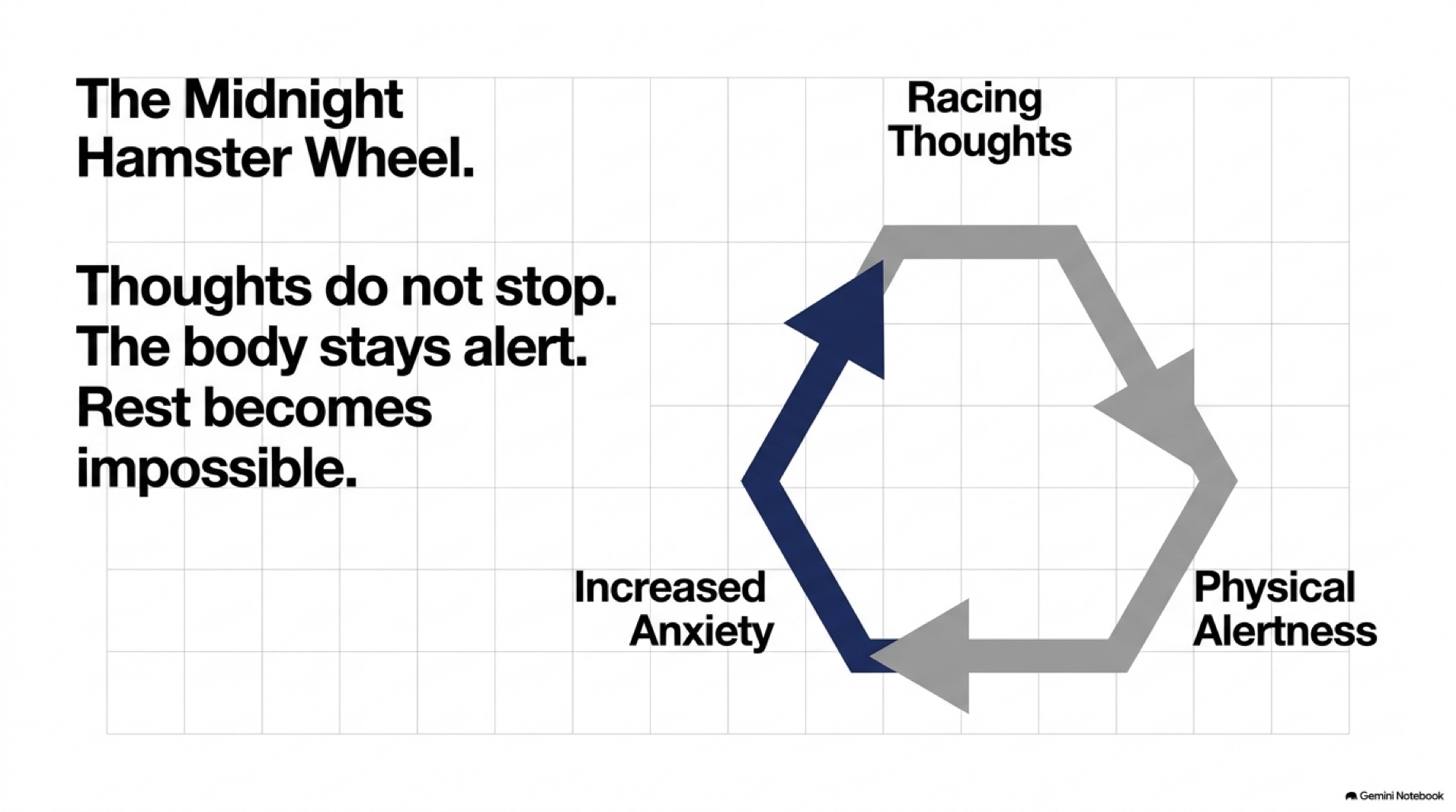
However, the more you think about it on the way home or while lying in bed at night, the more the unpleasant feeling washes over you. You might find yourself kicking the blankets in frustration, wondering why you couldn’t come up with a proper comeback, and quietly suffering alone.
Why do we struggle to properly deal with rudeness in these subtle situations every time? Behind this unpleasant scenario lies a psychological mechanism called passive-aggression, which is difficult to dismiss as simply a joke. We will look at how to protect your healthy boundaries from someone’s offensive jokes and respond wisely.
Their True Intentions: The Psychology of ‘Passive-Aggression’
An Attack Wearing the Mask of a Smile
In psychology, this way of speaking, approaching someone with a friendly smile on the outside while hiding sharp thorns on the inside, is called passive-aggression.
According to the definition by the American Psychological Association (APA), this refers to a behavior pattern that expresses negative emotions or hostility in an indirect and passive manner rather than expressing them directly. It is also a defense mechanism that appears when someone does not know how to transparently bring out and healthily manage their uncomfortable feelings.
(Reference: American Psychological Association (APA))
People who habitually use this way of speaking generally tend to lack the inner courage to face conflicts head-on and resolve them. Instead, they subtly belittle the other person or cunningly convey their desire to control the situation by hiding behind the safe masks of “jokes” or “concern,” which are easily accepted socially.
Why Do We Freeze in That Moment?
When faced with these microaggressions that we frequently encounter in daily life, our minds often go blank and we simply freeze. This might not be because we are particularly foolish or lack coping skills, but rather due to the brain’s instinctive fear of breaking the peace and atmosphere of the group.
Furthermore, if the other person has already built a solid defensive wall by saying “It’s just a joke” beforehand, the situation becomes much more complicated. This happens because the psychological pressure that getting serious and arguing back could instantly frame us as “someone who can’t read the room” or “a sensitive person overreacting to nothing” heavily weighs us down.
Practical Coping Strategies: Hiding Emotions and Hitting the Mark
Instead of emotionally exploding or, conversely, blaming yourself and giving up in these tricky situations, it can be helpful to take a slightly more rational and strategic approach. The differences in the coping methods we can choose in the previously described situations are as follows.
| Category | General Reaction (Emotional Coping) | Coping by Keeping Healthy Boundaries | Resulting Flow |
| Situation Awareness | Blaming oneself for being too sensitive | Recognizing the other’s passive-aggression | Preventing psychological intimidation |
| Initial Response | Forcing a smile or losing one’s temper | Silence or asking for an objective explanation | Gaining control of the conversation’s atmosphere |
| Shifting Responsibility | Taking on all the unpleasant feelings | Returning the intent of the remark to the speaker | Inducing the other person’s self-objectification |
This strategic approach can protect you while also offering the following positive benefits.
- You can clearly convey your displeasure to the other person while reducing emotional drain.
- You can smoothly lead the situation without being trapped in the frame of a “sensitive person.”
- You can give the other person an unspoken but clear warning to not cross the line in the future.
So, how might you want to specifically respond?
Method 1: Passing the Responsibility of ‘Explanation’ to the Other Person (Clarification Question)
A useful first conversation technique you might consider trying in your daily life is calmly asking the other person about the intent of their remark again. Instead of an angry voice or a sarcastic tone, try asking back with an extremely dry and curious voice like this.
“What exactly do you mean by what you just said?”
“I’m a bit taken aback by you saying that, so could you explain what the point of the joke you just made is?”
This is a useful method to lightly toss the ball of unpleasant feelings thrown at you back into the other person’s court. By completely shifting the responsibility of explaining the rudeness to them, it can serve as a firm coping mechanism that forces them to face how inappropriate their own remark was.
Method 2: Breaking the Expected Script, ‘Strategic Silence’
People who rudely cross the line tend to unconsciously predict the other person’s reaction in advance. They are expecting a “social script” to unfold where the other person blushes in embarrassment or forces a laugh in agreement to avoid ruining the mood.
According to conflict management studies by the Program on Negotiation (PON) at Harvard Law School, one coping mechanism that is more helpful than a hasty defense or rebuttal in these situations is actually silence. When someone slyly throws out a remark that crosses the line, consider staring blankly into their eyes without any answer for 3 to 5 seconds.
(Reference: Program on Negotiation (PON) at Harvard Law School)
This strategic silence greatly helps in breaking the expected script the other person has formed in their head. During those few quiet seconds, the responsibility for the unpleasant joke hanging in the air becomes entirely the speaker’s burden, and the power to lead the atmosphere naturally shifts over to you as you silently maintain your silence.
Firm Boundaries Are the Safest Fence to Protect You
Drawing a line with someone definitely does not mean you are going to completely cut off the relationship and antagonize them. Rather, setting healthy boundaries is closer to a process of kindly yet firmly informing the other person of your own manual for keeping the relationship safer and more harmless moving forward.
In an everyday life where passive-aggression and microaggressions are subtly mixed, dealing with other people’s rudeness is never an easy task for anyone. At first, your voice might tremble slightly, and your mind might actually feel more uncomfortable in the awkward air where silence flows.
However, there is no need to be a nice person who smiles blindly even at those who do not respect you and treat you carelessly. It is okay if you cannot come up with a perfect comeback right away tomorrow. Simply starting to practice protecting your peace of mind bit by bit with just one tiny question or a short 3-second silence will be a meaningful enough first step.