“Oh, I’ll do it…” The Nights We Look Back and Regret
Have you ever found yourself nodding with an awkward smile, knowing full well it was an unreasonable request, simply because you couldn’t bear the thought of an uncomfortable atmosphere?
There are days when your own workload is piling up like a mountain, yet the words of refusal just won’t come out. You end up taking on a heavy burden, thinking to yourself that it might just be easier if you suffer a little more.
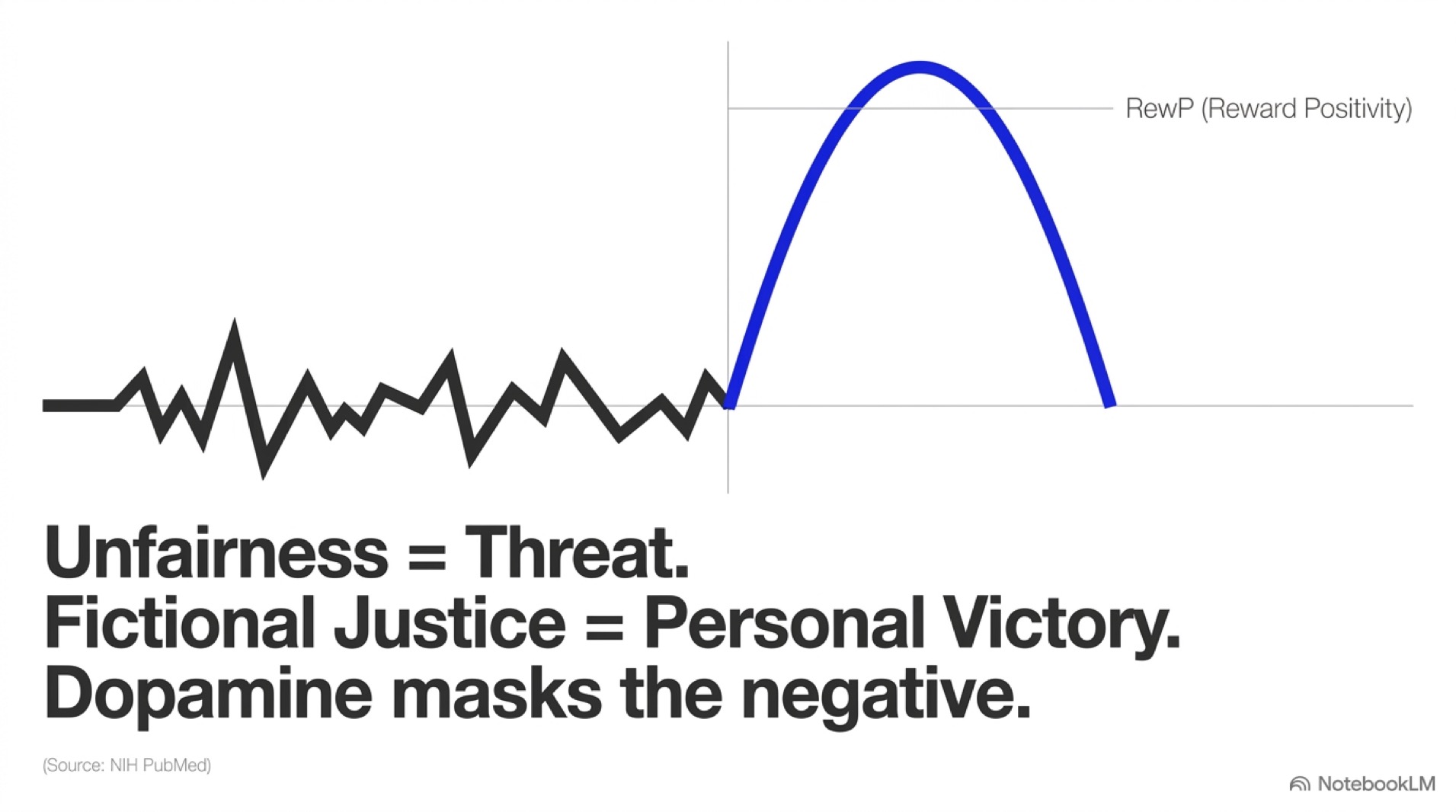
If you have ever felt a wave of unfairness and self-blame for foolishly agreeing once again while dragging your exhausted body home, we know all too well just how empty and lonely that feeling can be.
Nights often arrive when we are endlessly generous and considerate to others, yet uniquely harsh on ourselves. Why is it so incredibly difficult for us to say that short and simple word, “no”?
Why Are We So Afraid to Say “No”?
You might find yourself agonizing over your inability to decline requests and blaming yourself, thinking, “My personality is too frustrating,” or “My problem is that I am too timid.”
However, hesitating and failing to speak up in the face of an unreasonable request is not necessarily due to a character flaw or a lack of courage on your part.
When taking a deeper look at how our minds and brains work, it becomes clear that fearing the act of refusing someone else’s request is actually much closer to a very natural human survival instinct.
The Brain That Perceives Rejection as Physical Pain
Since the distant past, being separated from the group has been a fatal threat to human survival.
Because being alone in the vast wilderness meant death in front of predators, our brains tend to have evolved to sound a powerful warning alarm whenever they detect a signal that our connection with others is being severed.
In fact, neuroscience research suggests that the specific areas of the brain activated when we are rejected by others or feel socially isolated show very similar patterns to the areas that respond when we experience physical pain from being cut or injured.
(Reference: American Psychological Association (APA))
Just imagining the possibility of becoming an outsider or being disliked for turning down a request can cause our brains to feel a pain similar to an actual physical injury and trigger defense mechanisms.
“Rejection Sensitivity” That Imagines the Ruin of Relationships
In psychology, the mental state where this fear rooted in survival instincts operates exceptionally strongly and sensitively in daily life is called “rejection sensitivity.”
People with high rejection sensitivity tend to interpret even the simple act of postponing a friend’s invitation for a weekend meal as a complete disconnection of the entire relationship. They might think things like, “Will they hate me if I say no?” or “What if they feel hurt and we drift apart forever?”
An excessive fear that a single tiny refusal could entirely destroy a relationship built up over time lies deep within their minds.
Even if the other person made the request lightheartedly, it can feel like a heavy assignment determining the survival of the relationship in one’s own mind. This often leads to willingly choosing “yes” even at the expense of personal time and emotions.
A 3-Step Practice for Drawing Gentle Boundaries While Protecting Yourself
There is a way to relieve this heavily oppressive guilt and fear while keeping your mind safe and maintaining precious relationships.
This does not mean you have to coldly cut off every request at once. It can be helpful to practice gradually introducing flexible and gentle communication skills into your daily life, which can softly communicate your limits without hurting the other person’s feelings.
Step 1: Pausing the “Immediate Answer” (Pause & Think)
When someone makes an unexpected request, our inner anxiety makes us reflexively nod in an attempt to escape the awkward situation as quickly as possible.
The first step that might help break this unconscious pattern of acceptance is to briefly press the “pause button” at the exact moment the request is received.
You might try speaking softly, saying something like, “Could I carefully check my schedule by tomorrow morning and get back to you?” or “It is difficult to give you a definite answer right now, so let me look into the situation a bit and contact you.”
Simply withholding an immediate response for a very brief moment secures a safe psychological space. This space allows you to calm the sudden rush of anxiety and gauge whether your true self can actually handle the request.
Step 2: Positive Refusal Using Cushion Words and “Alternatives”
Once you have gained enough time to think and have made up your mind to decline, it is time to fully convey your feelings with both warmth and firmness.
A highly useful combination here is using “cushion words” that gently embrace the other person’s emotions alongside “offering alternatives” that clearly draw your limits.
Try saying, “I really have a strong desire to help you out (cushion word), but due to other tasks I am currently handling, it seems it will be practically impossible to make time until the end of this week (clear refusal).”
Following that, you might want to add, “Instead, how about I help you organize some of the materials around next Wednesday when my schedule frees up? (offering an alternative).”
By sharing your situation honestly and transparently like this and presenting a realistic line of how much you can help, the chances greatly increase that the other person will feel respected and pleasantly accept your refusal.
Step 3: Correcting Cognitive Distortions About Refusal
Even after mustering up great courage to politely convey your intention to decline, lingering discomfort and a strange sense of guilt can still hold you back once you are left alone.
In these moments, a cognitive restructuring process that slightly shifts the direction of thoughts arising in your mind can be extremely helpful.
It can be helpful to kindly tell yourself, “What I just refused was not that person’s character or our relationship, but merely that one specific request which is physically difficult to handle in my current situation.”
It is about reminding yourself that you did not coldly push the other person away, but rather made a healthy choice so your energy would not be depleted. Furthermore, the other person is also a resilient adult who will not crumble from your refusal and can find other solutions on their own.
Your Boundaries Build Healthy Relationships
A person who always returns only positive answers to others out of fear of being disliked might outwardly look like an easygoing individual who gets along with everyone. Eventually, however, the layers of unfairness and fatigue accumulating inside make it very easy to become deeply exhausted by relationships themselves at some point.
Rather, the act of clearly and affectionately communicating the limits you can handle serves as a kind of friendly guideline, telling the other person exactly how much they can lean on and approach you.
Only when transparent and predictable boundaries are established for each other can a truly healthy relationship blossom, creating a space where both people can stay safely without constantly walking on eggshells.
Today, we encourage you to carefully begin practicing examining your heart and gently refusing, starting with very small and trivial requests. That small courage to protect yourself will ultimately connect all of us in a much warmer and more comfortable way.