Are you losing out on today while trying to find your ‘unique mission’?
“Everyone else seems to have a heart-pounding dream, so why is my life so repetitive and ordinary every day?”
“When will I finally find the true purpose of my life?”
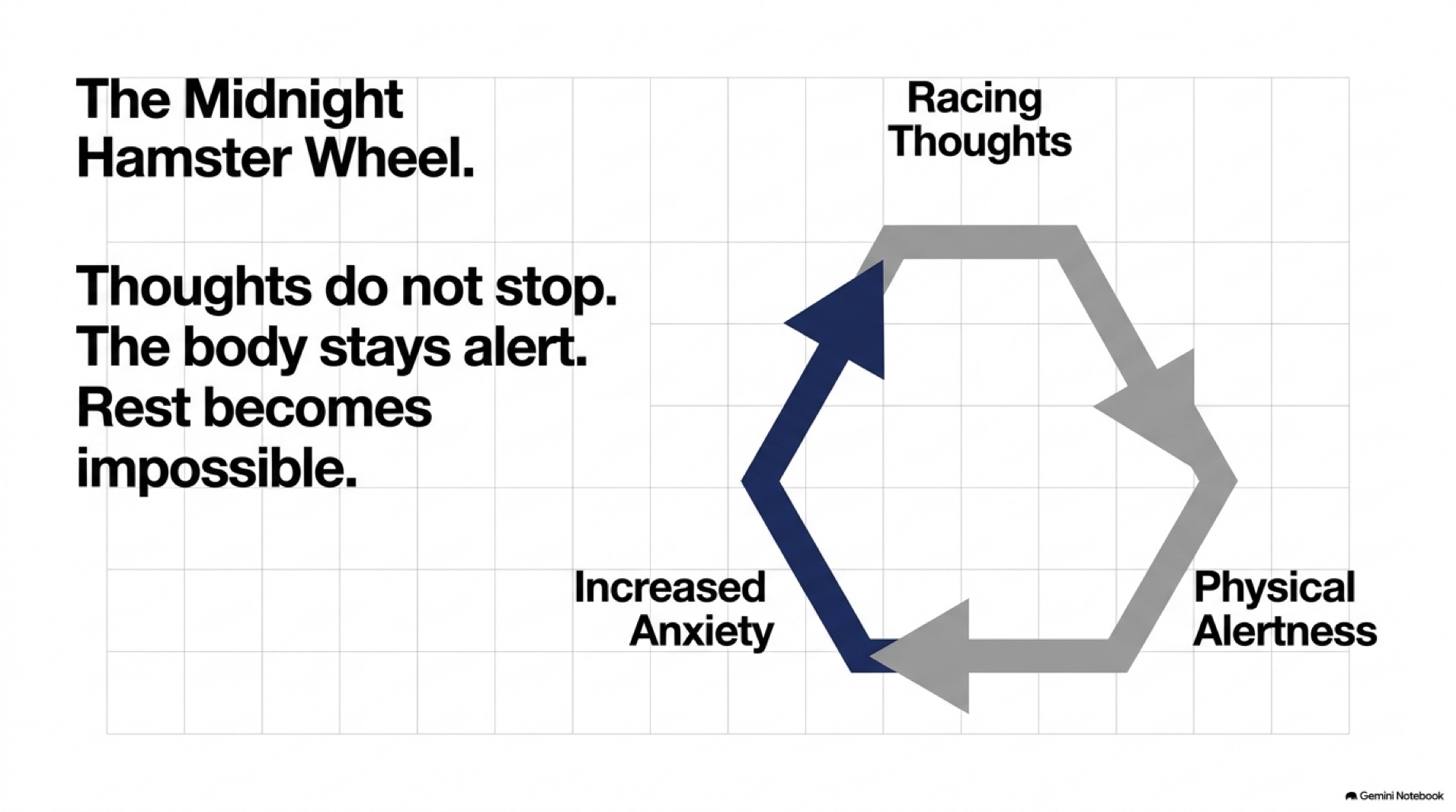
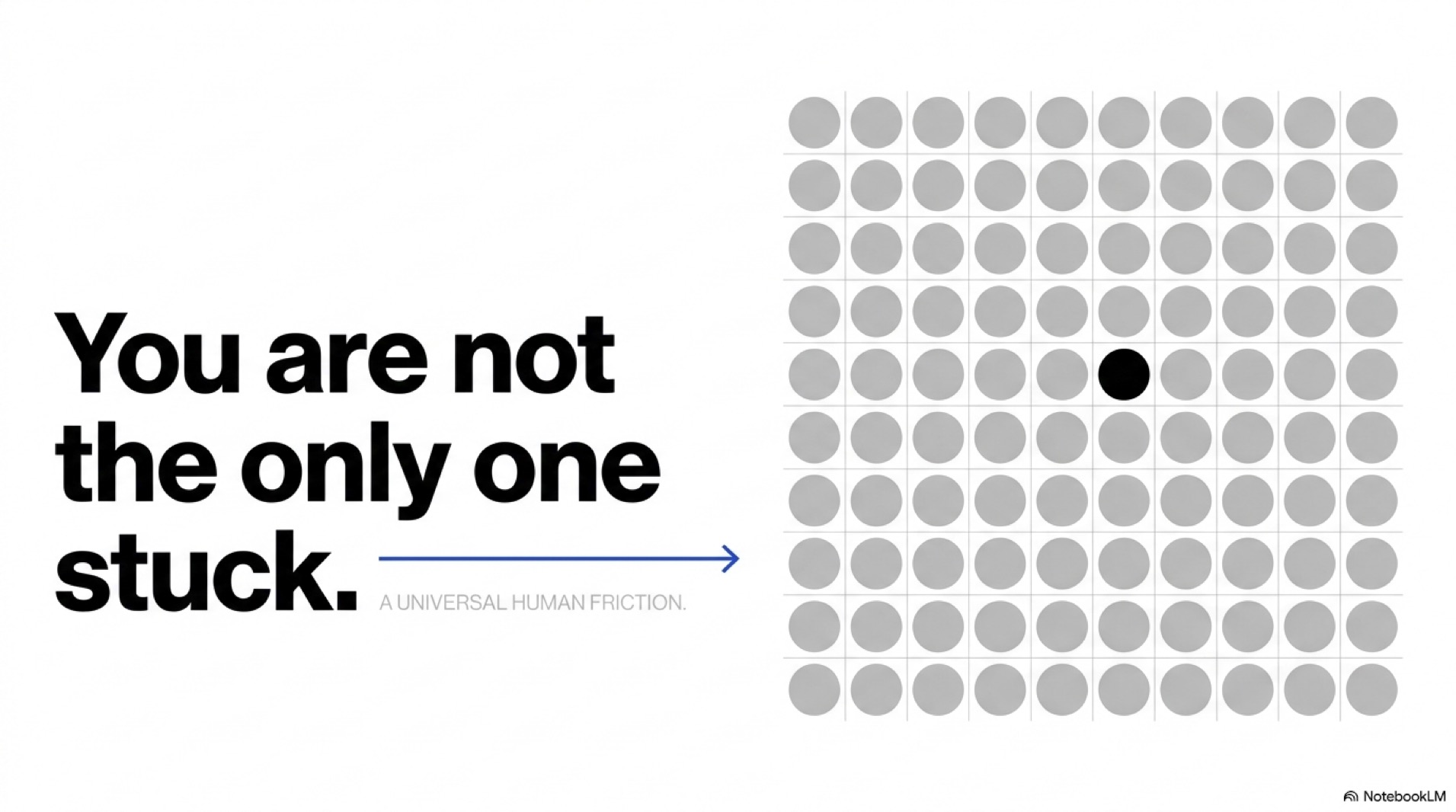
There are nights when these questions suddenly weigh heavily on the mind. People tend to feel a sudden wave of anxiety when they see others seemingly forging a solid path and moving forward, while they feel stuck in place without any particular talent or calling.
Self-help books filling bookstore shelves unanimously raise their voices to say that we need to find our own great mission. Paradoxically, however, this social atmosphere often leaves us with a deep sense of helplessness and sometimes leaves behind the heavy task of overcoming psychological burnout.
Through the psychology embedded in the movie Soul, we can gently listen to the story of breaking free from this intense ‘purpose obsession’ and regaining inner peace.
The Psychological Mechanism Behind How ‘Purpose Obsession’ Exhausts Our Brains
The Paradox of the Constant Search for Meaning
We often consider the very process of eagerly searching for a life purpose to be a positive and valuable endeavor. Yet, when looking at psychological studies, a slightly different story from our common sense unfolds.
Papers published by the American Psychological Association (APA) explain our psychological attitude toward the meaning of life by dividing it largely into two states.
| Category | Key Characteristics | Psychological Impact |
| Presence of Meaning | • Feels that their current life itself has meaning • Easily captures the small, ordinary values of everyday life | • High overall life satisfaction • Helps maintain positive emotions and alleviate depressive feelings |
| Search for Meaning | • Constantly yearns to find a ‘true meaning’ • Considers their current life to be incomplete or lacking | • High anxiety and chronic stress • A possibility of lowered subjective well-being |
Ultimately, when the pressure to find a ‘great purpose’ becomes an obsession, people end up constantly wandering somewhere that has ‘not yet arrived’ rather than staying in the ‘here and now’.
The belief that one’s life will only become valuable after discovering something grand actually tends to exhaust our brains continuously and can trigger chronic anxiety.
(Reference: American Psychological Association (APA))
The Twist in the Movie Soul | The ‘Spark’ is Not a Purpose
The Strange Emptiness That Follows Achieving a Goal, ‘Arrival Fallacy’
Pixar’s animation Soul very delicately and warmly comforts our minds that are exhausted by this obsession with purpose. We can recall the face of the main character, Joe Gardner, when he finally stood on the jazz club stage he had desperately desired his entire life.
On the night he successfully finished his performance, Joe, who should have been overwhelmed with joy as if he owned the world, was instead gripped by a strange emptiness and asked, “What happens tomorrow?”
It was the best moment he had waited so long for, so why did it feel so futile and empty? Professor Tal Ben-Shahar at Harvard University explains this clearly with a psychological concept called the ‘Arrival Fallacy’.
- Goal-Oriented Mindset: There is a tendency to expect that eternal happiness will arrive once a specific goal is achieved.
- Alienation of the Process: It is easy to dismiss the countless moments of the ‘present’ encountered while running toward a grand goal as simply a time to endure and sacrifice.
- Temporary Euphoria: Once a goal is actually achieved, the dopamine from the accomplishment is released very briefly. A person can then feel a deep sense of despondency as they immediately return to their baseline level of ordinary happiness.
Falling into the arrival fallacy makes it easy for our brains to mistake the thrill of achievement for eternal happiness.
It brings us great comfort to realize that the ‘spark’ the mentors in the movie tried to help find wasn’t a lifelong career or a grand mission. It was simply a warm token indicating that one is ‘ready to live life’.
‘The Power of Savoring Everyday Life’ Noted by Harvard Medical School
How a Slice of Pizza and Falling Autumn Leaves Affect the Brain
In the movie, what moved the heart of ’22’, a soul who lacked the will to live for a long time, wasn’t a massive achievement or incredible talent.
It was simply a sweet and savory slice of pepperoni pizza tasted while walking the streets of New York, a warm breeze blowing from a subway vent to brush against a cheek, and a maple seed gently landing on a palm.
Positive psychology refers to these sensory experiences as ‘Savoring’. It is a useful psychological technique that amplifies the value of positive emotions or trivial experiences by paying full attention to them instead of letting them slip by.
Researchers at Harvard Medical School also repeatedly emphasize the importance of ‘Mindfulness’, which is closely related to this concept.
Positive Effects Mindfulness Can Have on the Brain and Body
- It helps redirect the brain’s attention, which might have been scattered toward the past or future, back to the specific sensations of the ‘here and now’.
- It can be helpful to lower levels of stress hormones like cortisol and activate the parasympathetic nervous system to relieve tension.
- It contributes to enhancing the brain’s positive plasticity so people can feel fulfillment and emotional stability even from very small everyday stimuli.
We can live perfectly well without a grand and magnificent mission.
If there is just enough mental space to fully appreciate the flavor of a freshly baked slice of pizza, our brains might recognize that moment as joy and experience a sufficient sense of security.
(Reference: Harvard Medical School)
Changing the Question from ‘What to Become’ to ‘How to Exist’
We might have been pushing ourselves too hard while pouring too much energy only into ‘what to become in the future’. Yet the real question the psychology of the movie Soul leaves for our lives is much closer to ‘how to exist’ rather than focusing on the outcome.
Today, you might want to take a moment to stop during a busy commute and quietly feel the warm sunlight touching your shoulders. Alternatively, giving your full attention to the bitter aroma and warmth of a cup of coffee during your lunch break can also offer great comfort.
Simply keeping these small moments of savoring close by means our lives are likely already functioning quite wonderfully.
Accomplishing a monumental purpose is not a requirement to earn the right to be loved or to become a valuable person. From the moment we are born, everyone is already granted the right to fully enjoy the beauty of life.
It is perfectly okay if you do not see your own grand spark or calling right now. Today, as you walk your path silently, that ordinary yet precious day itself is already a ‘spark’ more dazzling than anything else.